
What is a tabo
A tabo is a handheld dipper used to scoop and pour water. Understanding its shape, everyday uses, and relationship with a bucket provides a useful starting point for choosing and caring for one.
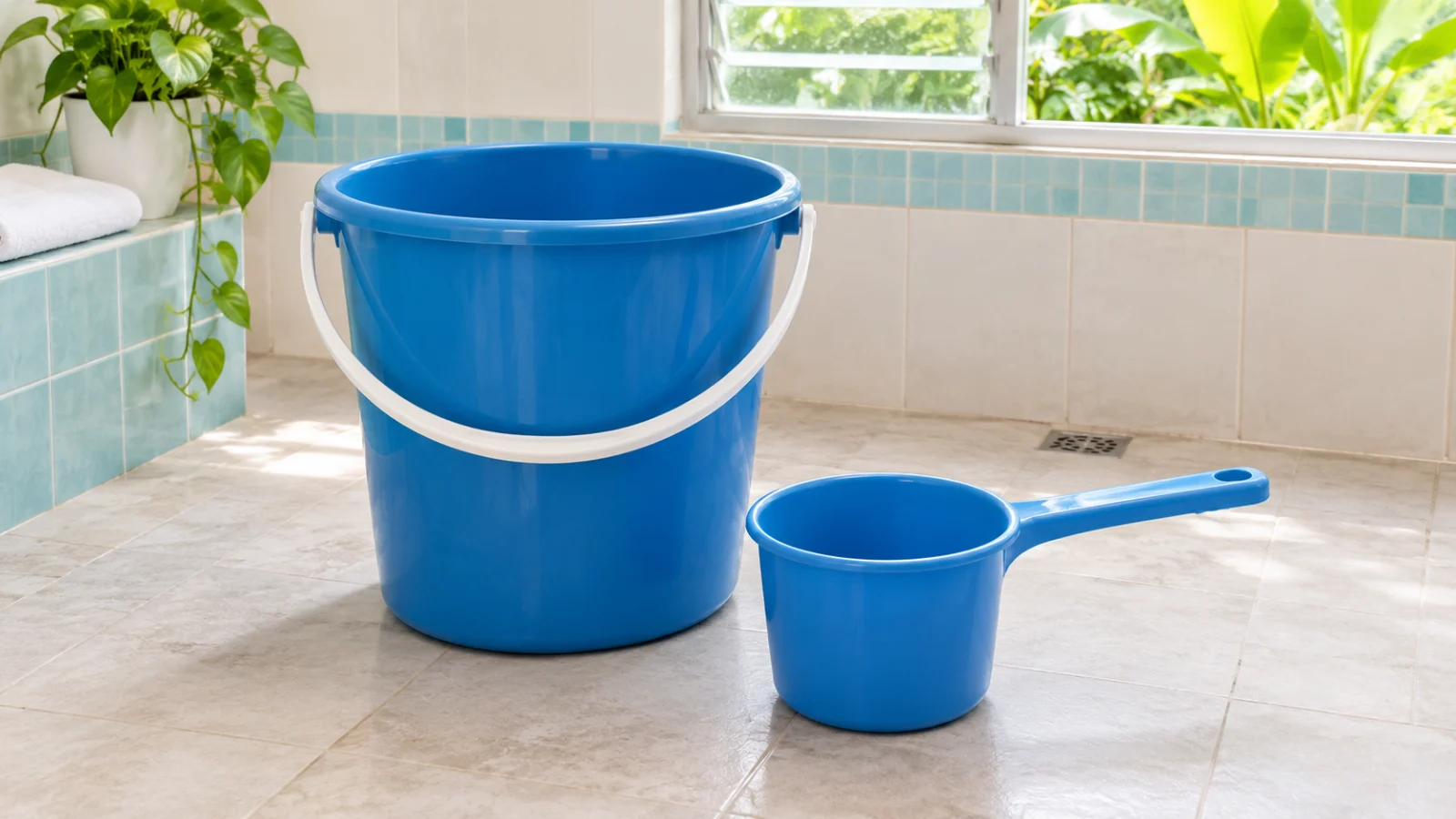
A simple tool for scooping and pouring water
In Filipino usage, a tabo commonly refers to a water dipper: an open container with a handle that allows someone to lift and direct a manageable amount of water. In English, it may be described as a dipper, water scoop, or handled water container. Those descriptions explain its basic function, although the word tabo also carries a familiar household context for many Filipino users.
A tabo is not a particular brand or a single standardised product. Its capacity, outline, handle length, and construction can vary. Some designs resemble a deep cup with a long handle; others have a wider opening or a shorter grip. The important shared feature is the ability to scoop and pour water by hand.
The object itself is straightforward, but its suitability depends on the task and the person using it. A design that is comfortable while empty may be less manageable when full. Looking at function as well as appearance helps explain why different households may prefer different shapes and sizes.
How a tabo differs from a bucket
A tabo and a bucket often appear together, but they have different roles. The bucket holds a larger volume of water. The tabo transfers a smaller amount from that container to where it is needed. Neither term should be used as if it automatically describes the other.
Their dimensions also affect how well they work together. A wide dipper may be awkward to place inside a narrow bucket. A long handle may project into a walking route, while a short handle may be harder to reach when the water level is low. These are practical fit questions rather than reasons to choose the largest item available.
| Item | Main function | Useful checks |
|---|---|---|
| Tabo | Scoops and pours a smaller amount of water by hand. | Grip, filled weight, rim, handle connection, and control. |
| Bucket | Holds a larger quantity of water for an appropriate use. | Stability, placement, access, condition, and care instructions. |
When planning a setup, consider both items together. Allow room to lift the dipper without catching it on nearby fittings, and leave enough space to move and clean around the bucket.
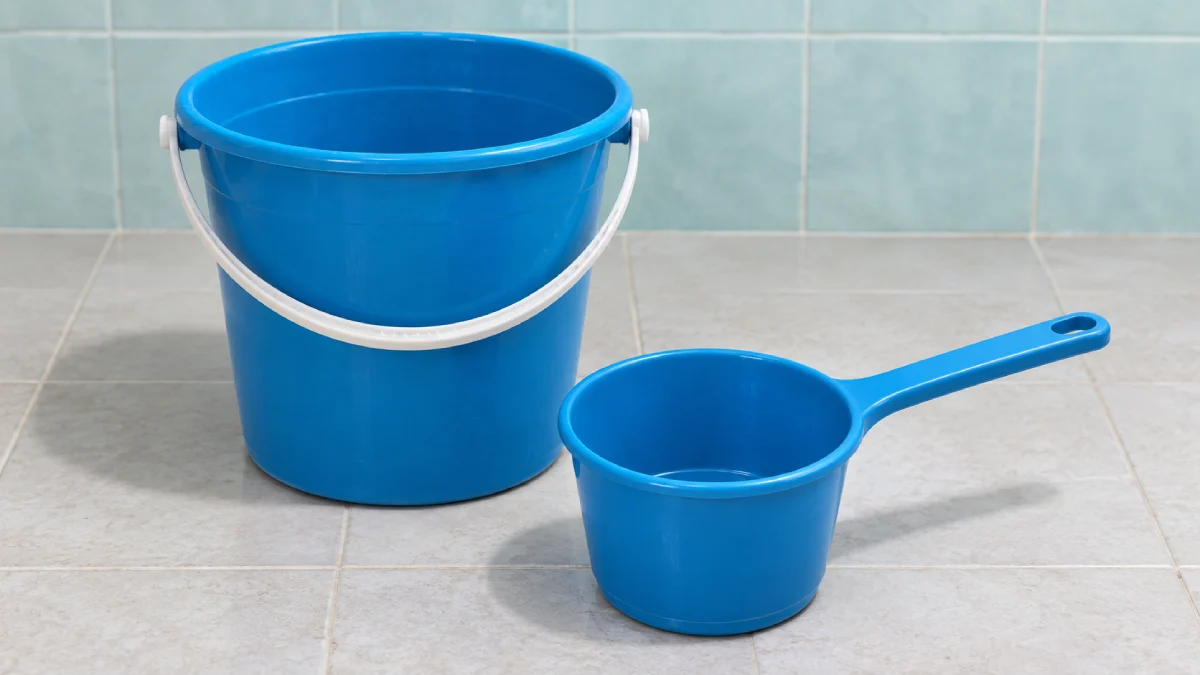
Its place in everyday Filipino living
The tabo is associated with Filipino bathroom routines, including bathing, rinsing, and personal washing. The exact arrangement varies between homes. A bathroom may have a shower, a handheld spray, a bucket and tabo, or a combination of fittings and containers.
It would be misleading to describe every Filipino household as using the same method. Space, plumbing, personal preference, and established routines all influence what is kept in a bathroom. Visitors should ask their host how a particular setup is intended to be used rather than assuming that familiar-looking items always serve the same purpose.
A handled dipper can also be used for other suitable household water-transfer tasks. However, an item used for bathroom cleaning should not simply be reassigned to drinking water or food preparation. Suitability depends on the product, its previous use, and the relevant care and hygiene requirements.
Understanding the main parts
Breaking the design into a few visible parts makes comparisons easier. You do not need specialist terminology to check whether an item looks sound and feels comfortable to handle, but photographs alone may not reveal every detail.
- The container body
- This is the open section that holds water. Its depth and width affect capacity and how easily it fits into another container. Check the inner and outer surfaces for visible damage.
- The rim
- The upper edge influences how water leaves the dipper. Look for a smooth, intact edge without sharp damage. A shaped pouring area may be present, but not every tabo has one.
- The handle
- The handle provides a place to grip and lift. Consider finger clearance, its distance from the body, and whether the shape suits your hand without forcing an uncomfortable wrist position.
- The handle connection
- Where the handle meets the body, inspect for cracks, looseness, or other visible changes. A one-piece appearance does not remove the need to check this area during regular care.
- The base
- The bottom affects how the dipper rests on a suitable surface. Check that the intended resting position is practical and does not place the item where it can easily be knocked over.
Practical considerations before use
Begin with a clean item that is appropriate for the intended task. Check the maker’s instructions for any limits on temperature, cleaning methods, or other conditions. Do not assume that a dipper suitable for room-temperature water can also withstand very hot water.
Use an amount that you can control comfortably. Water adds weight, and filling to the rim leaves little space for movement. A smaller quantity may be easier to lift and pour without spilling. If gripping or lifting is difficult, consider whether a different arrangement or individual assistance is needed.
Keep the surrounding floor and access route in mind. Splashes should be dealt with promptly, and containers should not obstruct movement. Where young children are present, water-filled containers require particular care: do not leave them accessible or rely on a tabo, lid, or storage position as a substitute for appropriate supervision.
If water is being poured into a toilet bowl, follow the toilet manufacturer’s guidance. Not every fixture is designed to be operated in the same way, and general information about a tabo does not establish a suitable flushing method for an individual toilet.
Materials do not all behave the same way
Plastic tabo designs are familiar, but the product’s appearance does not establish its exact material or permitted uses. Check labels and manufacturer information before making assumptions about heat resistance, dishwasher use, or compatibility with a cleaning product.
A recycling symbol, where present, is not a complete care instruction. It should not be treated as proof of food-contact suitability or as permission to use any temperature or cleaner. If you need a product for a specialised purpose, seek an item explicitly described as suitable for that purpose.
During cleaning, inspect the rim, handle, body, and base. An item that leaks, has sharp damage, or no longer feels secure to lift should be taken out of use. Replacement is more appropriate than continuing to rely on a damaged handle.
The materials and construction guide explains what to look for, while the cleaning and care page covers a practical maintenance routine.
Choosing a setup that fits your routine
There is no single tabo size that is right for every user. Think about who will hold it, how far it needs to be lifted, and where it will rest between uses. Consider the available space rather than selecting capacity in isolation.
For a shared bathroom, agree on the intended use of each item and how it will be cleaned. Keep equipment used for cleaning separate from items intended for other purposes. Return essentials to a position that is accessible without blocking the room.
JLTABO provides general information to help you make these checks. Product instructions and individual household needs remain important when deciding what arrangement is appropriate.