
JLTABO — Tabo & Bathroom Essentials for Filipino Homes
Get to know the Filipino tabo and the practical details that make a bathroom easier to use. JLTABO brings together clear guidance on choosing a water dipper, arranging everyday essentials, and caring for the items you use regularly.
Start with your space, your routine, and the people sharing your bathroom. A comfortable handle, a manageable size, and a sensible place to store each item can matter more than a complicated setup.
- Tabo basics
- Practical bathroom setups
- Cleaning and storage
What is a tabo?
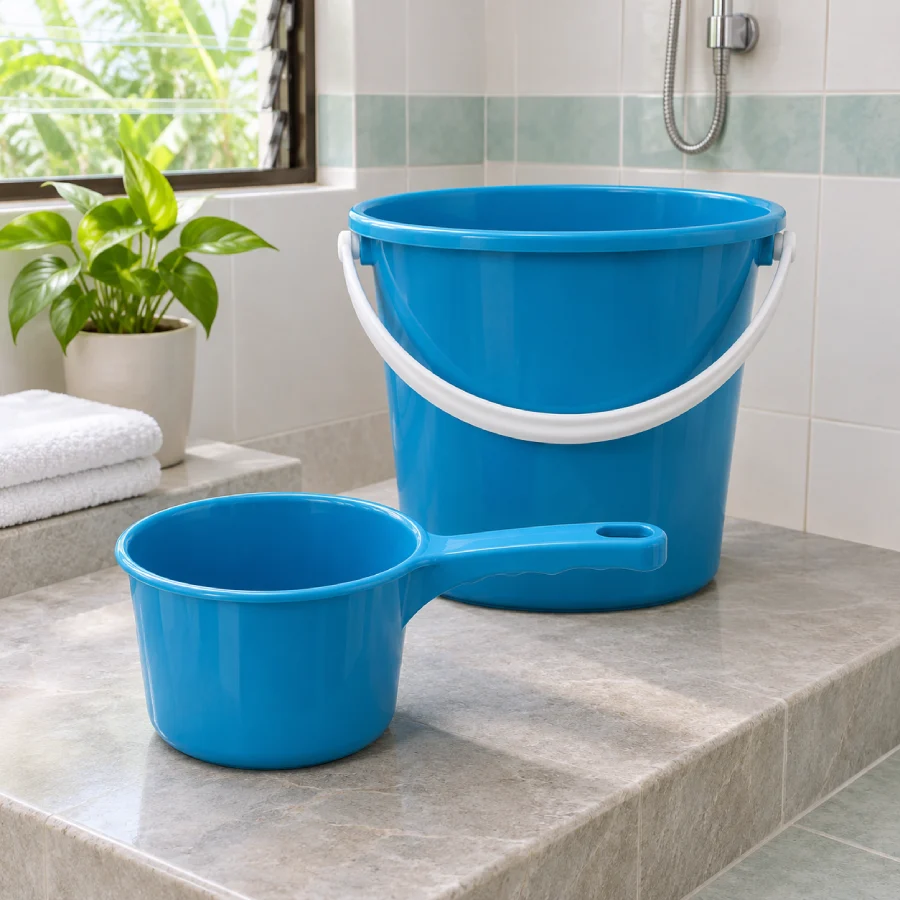
A tabo is a handheld water dipper commonly associated with Filipino households. It typically has an open container and a handle, allowing a person to scoop and pour water. In a bathroom, it is often kept beside a bucket.
The word refers to an everyday object rather than one particular brand, material, or design. Tabo shapes and capacities vary, and different households use them in different ways. Some people are already familiar with the routine; others encounter a tabo for the first time when visiting or living in the Philippines.
Understanding the basic design makes it easier to choose an item that feels manageable and to recognise when it needs cleaning, repositioning, or replacement.
Read the Tabo GuideChoose, arrange, and care for your essentials
Explore each subject at your own pace, whether you are selecting a first tabo or improving an existing bathroom setup.
Choosing a Tabo
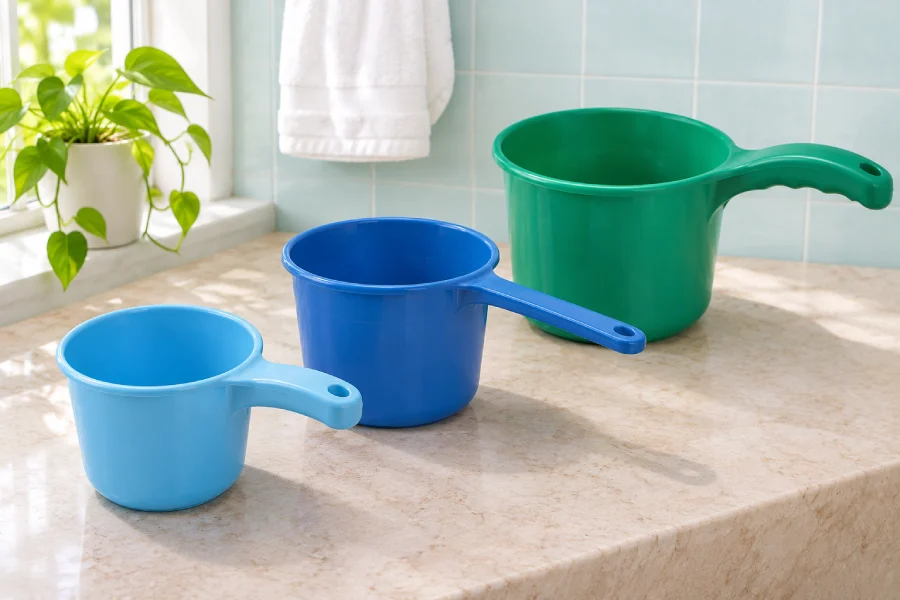
Compare capacity, grip, balance, and the space available beside your bucket. Consider how the dipper feels when filled, rather than judging it by appearance alone.
Explore selection tips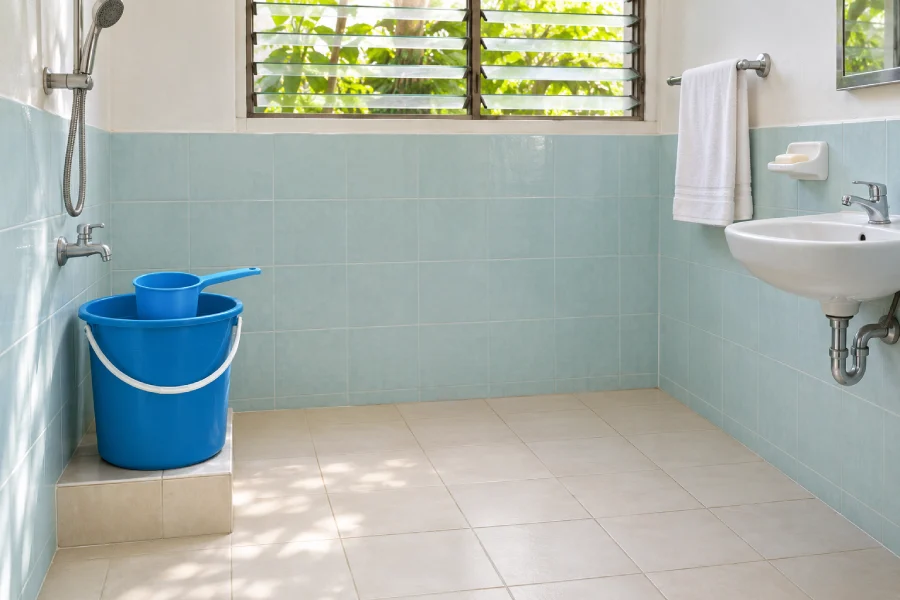
Bathroom Essentials
Think through bucket placement, access to water, floor space, and storage. A useful arrangement should support the people using it and leave room for cleaning.
Plan your setup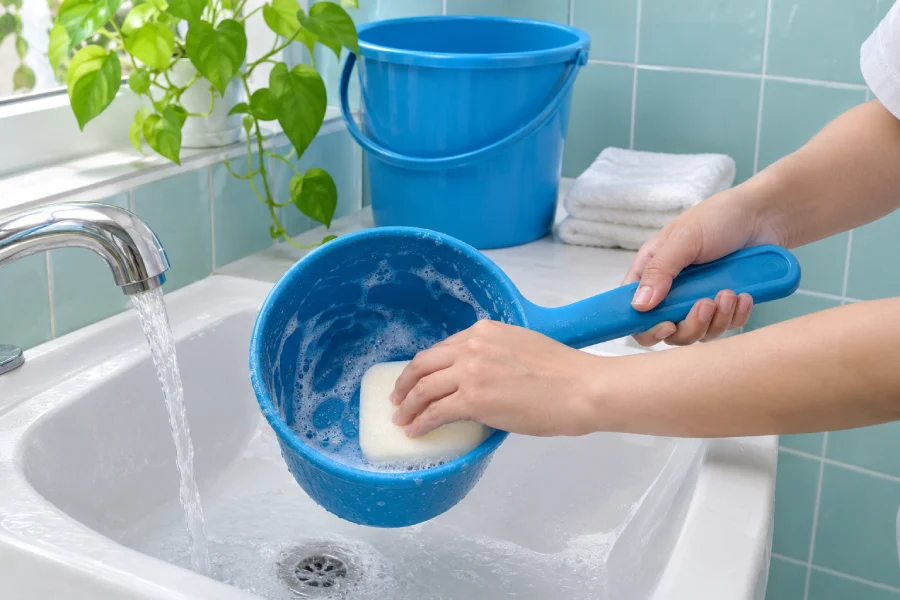
Cleaning and Care
Build a routine around washing, rinsing, drying, and checking for damage. Follow the maker’s instructions when choosing products and cleaning methods.
Review care guidanceLook beyond colour and capacity
The right choice depends on how the item will be held, filled, used, and stored.
A manageable filled weight
A larger container carries more water, but it also becomes heavier. Consider the person who will lift it and whether a smaller amount would be easier to control. Do not assume that the largest option is the most useful.
A comfortable handle
Check the shape, available finger room, and the connection between the handle and body. Avoid sharp edges, visible cracks, or a handle that feels loose. Product photographs may not show these details clearly.
A suitable place to rest
Decide where the tabo will go between uses. It should be easy to reach without blocking a walking route. Check whether its shape fits the intended storage position and whether the surrounding area is easy to clean.
Clear product information
Look for material details, care instructions, and any limits stated by the manufacturer. A colour or recycling symbol alone does not establish every suitable use. Ask the seller when information is missing or unclear.
Keep your bathroom setup easy to reach and clean
A bathroom arrangement needs to work in the space you actually have. Before adding containers or organisers, look at the door opening, the walking route, and the places that collect splashes. Leave enough room to move the bucket when cleaning the floor.
In a shared bathroom, agree on where items belong and how they will be cleaned. If a shelf or hook is used, check that it suits the wall surface and the load described by its manufacturer. Do not depend on an untested fitting to support a filled bucket.
A simple arrangement with fewer obstacles is often easier to maintain than one filled with accessories. Recheck the layout when household needs change.
Explore storage and placement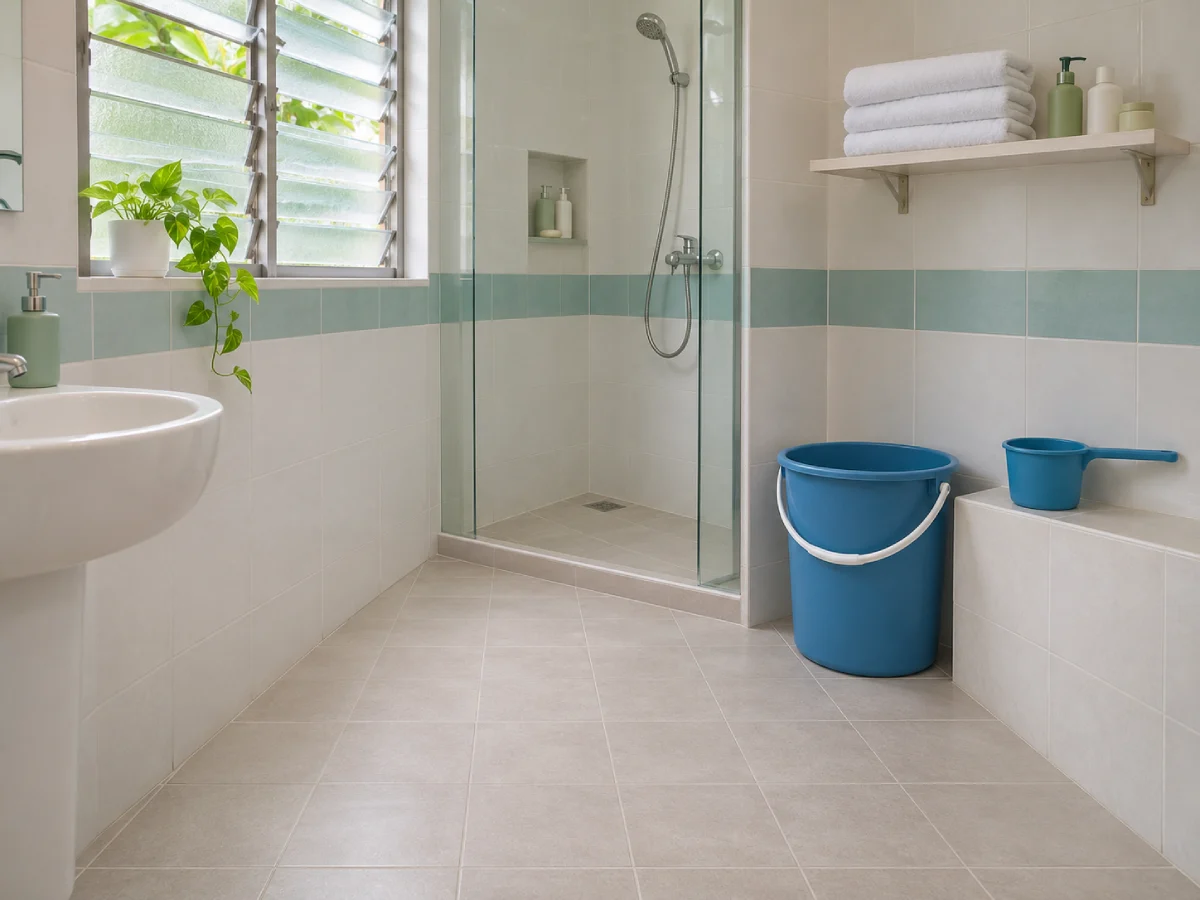
Check condition as well as cleanliness
Cleaning is also an opportunity to inspect the items you use. Look around the rim, base, handle, and any joins for cracks, rough areas, or changes that make handling difficult. Stop using a damaged item if it no longer holds water or cannot be handled comfortably.
Choose a cleaning method suited to the actual product. Avoid guessing whether a material can tolerate boiling water, a dishwasher cycle, or a strong cleaner. Where instructions are unavailable, ask the maker or seller rather than relying on appearance.
Read cleaning and care guidanceA practical routine
- Check the product’s care instructions.
- Wash and rinse using a suitable method.
- Allow items to drain and dry as appropriate.
- Inspect handles, edges, and the container body.
- Return items to a clean, accessible position.
Start with the essentials
Is a tabo the same as a bucket?
No. A tabo is the handheld dipper used to scoop and pour water. A bucket is the larger container it may be used with. Their sizes and designs vary, so check how the two items fit into your routine.
Which tabo size should I choose?
Choose a size you can comfortably handle when filled. Consider grip, lifting weight, the bucket opening, and your available storage space. There is no single capacity that suits every person or bathroom.
Can I use any cleaner on a tabo?
Follow the instructions for both the tabo and the cleaner. Materials differ, and a product suitable for one surface may not suit another. Do not mix cleaning products, and ask the manufacturer when compatibility is unclear.
Does JLTABO sell or deliver products?
This website currently provides informational guides. It does not offer checkout, take product payments, or provide delivery services. Use the contact page for questions about the information published here.
Clear information for familiar household tasks
JLTABO focuses on the Filipino tabo and the everyday considerations around bathroom essentials. Our guides separate general information from instructions that depend on a particular product. They are intended to help you ask useful questions and make practical checks.
If you notice an unclear explanation or a factual error, let us know which page you were reading and what needs attention. Questions and corrections help identify information that should be clarified.